
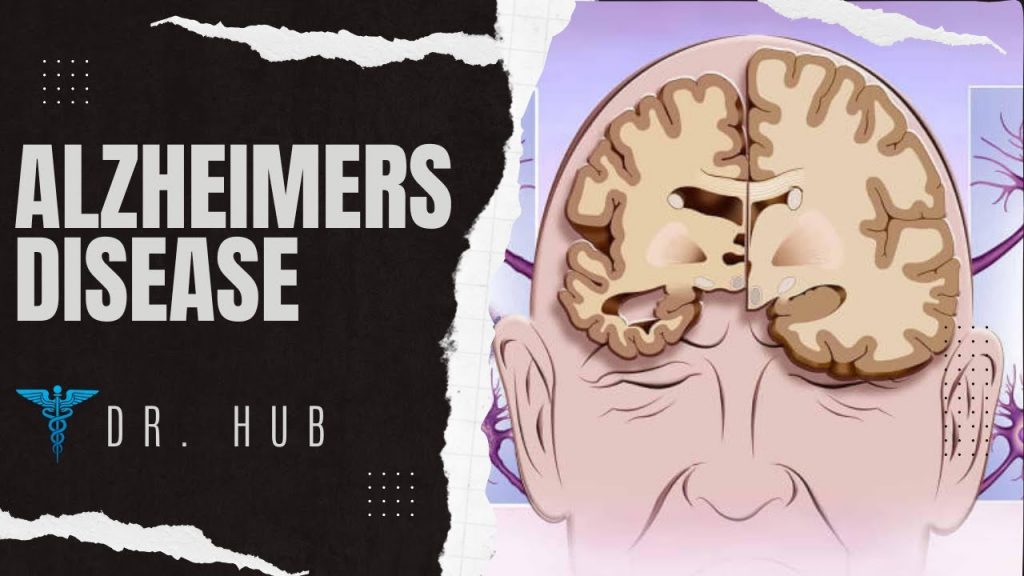

The search for a cure for Alzheimer’s is moving faster than ever in 2026. Scientists have discovered a hidden “death switch” in the brain, developed new plaque-clearing therapies, and found that lithium may even reverse damage caused by the disease. This latest news on Alzheimer’s research is giving renewed hope to the more than 50 million people worldwide living with the condition.
Background
Alzheimer’s disease is the leading cause of dementia worldwide, accounting for 60 to 70 percent of all dementia cases according to the World Health Organization. For decades, scientists struggled to move beyond managing symptoms, with no treatment able to stop or reverse the disease. That is beginning to change in 2026, as a wave of new science and promising therapies is reshaping the landscape of Alzheimer’s disease news today.
The condition destroys memory, reasoning, and social skills by killing brain cells over time. It affects not just patients but millions of caregivers and families. Finding a dementia cure breakthrough has become one of medicine’s most urgent goals.
Scientists Discover Alzheimer’s Hidden “Death Switch”
One of the biggest stories in Alzheimer’s BBC news and global science media this year comes from Heidelberg University. Researchers identified a key molecular process that drives Alzheimer’s progression a harmful protein interaction that causes brain cells to die, leading to cognitive decline.Crucially, scientists found a way to turn off this death switch in mice. If this translates to humans, it could represent a genuine breakthrough Alzheimer’s treatment.
Lithium: A Natural Brain Protector
Harvard Medical School made headlines in early 2026 with a remarkable finding. Research showed that lithium is a natural, biologically important element in the brain with the potential to prevent or even reverse Alzheimer’s disease findings that have been described as a potentially major leap forward. The discovery has already generated enormous public interest, with scientists receiving messages from patients and families around the world seeking more information.
Brain Cells Turned Into Plaque-Clearing Machines
Scientists have developed a promising new approach to treating Alzheimer’s disease by turning ordinary brain cells into powerful plaque-clearing machines. Unlike current therapies that require frequent antibody infusions, this experimental approach could be far more practical for long-term patient care.
FDA-Approved Drugs Already in Use
Two different treatments designed to clear toxic amyloid-beta from the brain have already been approved by the FDA: Leqembi (lecanemab) and Kisunla (donanemab). Both have been shown to slow cognitive decline in people with early-stage Alzheimer’s.Researchers are also working on pill-based therapies and non-invasive treatments such as brain stimulation and focused ultrasound.
How the Key Drug Actually Works
Researchers discovered that lecanemab works by activating the brain’s immune cells but only through a specific part of the antibody called the Fc fragment.Understanding this mechanism opens the door to developing even more targeted and effective versions of the drug in the future.
New Drug Target Identified
Researchers at Indiana University identified a new and promising drug target. Deletion of IDOL neurons not only reduced plaques but also reduced levels of a protein called apolipoprotein E (APOE), which is strongly associated with Alzheimer’s disease. APOE4 is currently considered the strongest known genetic risk factor for late-onset Alzheimer’s, making this a significant development in the latest news on Alzheimer’s cure.
Expert Quotes
Researchers remain cautiously optimistic about how close a cure actually is. Professor Istvan Mody of UCLA Health explained the core challenge: “The hope with the anti-amyloid drugs was that with the removal of the plaques, the disease would be cured. Unfortunately, that hasn’t been the case. The removal of these toxic compounds still leaves an altered brain behind.”
However, his team may be on the verge of solving exactly this problem, having discovered a compound that boosts a type of brain signal linked to working memory and cognitive function.
Meanwhile, Harvard’s Professor Bruce Yankner, whose lithium research has generated global interest, noted that Alzheimer’s affects over 50 million people worldwide and has so far proved “frustratingly difficult to treat” but expressed confidence that the field is making real progress.
Diet and Prevention: What You Can Do Now
While scientists pursue a full cure for Alzheimer’s, researchers are also finding that lifestyle changes especially diet can meaningfully reduce risk.
A new study found that consuming an unhealthful plant-based diet may actually increase a person’s risk for Alzheimer’s disease and other types of dementia, while a healthy plant-based diet even when started at an older age is linked to lower Alzheimer’s risk. Berries and foods rich in vitamin E, including nuts, seeds, leafy greens, and whole grains, are especially beneficial for brain health. B vitamins specifically B2, B6, B9 (folate), and B12 are involved in metabolism processes that, when disrupted, can increase the risk of Alzheimer’s disease and heart disease.
The MIND diet a combination of Mediterranean and DASH dietary principles has also shown strong results. Early studies show that it lowers the risk of Alzheimer’s by 53% in those who follow it closely and by 35% in those who follow it more loosely.
Impact: Why This Matters Globally
The global number of people living with dementia is projected to reach 78 million by 2030 and 139 million by 2050, with global costs projected to reach US $2 trillion annually by 2030. The stakes could not be higher. Every year without a breakthrough Alzheimer’s treatment costs economies trillions and devastates families on every continent.
The latest news on Alzheimer’s research in 2026 suggests the tide may finally be turning. Multiple pathways genetic, dietary, pharmaceutical, and neurological are being pursued simultaneously, giving researchers more tools than ever before.
Conclusion
The cure for Alzheimer’s 2026 is not yet here, but the distance to that goal is shrinking. From Harvard’s lithium discovery to Heidelberg’s brain death switch research, and from FDA-approved drugs already slowing decline to gene-level therapies on the horizon, the latest news on Alzheimer’s research signals that science is making genuine, accelerating progress.
Experts say the next three to five years will be critical. Clinical trials currently underway are combining anti-amyloid drugs with tau-targeting therapies, and pill-based treatments could arrive within this decade. For patients, families, and caregivers worldwide, Alzheimer’s disease news today has never carried more reason for cautious optimism.
FAQs
Q: What vitamin lowers dementia risk by 49%?
Research points to two vitamins linked to this figure. Older adults who ate diets containing the highest amounts of riboflavin (vitamin B2) had a 49% lower risk of developing disabling dementia than those who ate the least.Separately, women who took vitamin D supplements had a 49% lower risk of developing dementia than those who did not take a supplement,according to a large study involving nearly 12,500 older adults. Both riboflavin and vitamin D are considered important for brain health.
Q: Are we close to an Alzheimer’s cure?
Science is moving faster than ever. Alzheimer’s isn’t just one problem it’s a tangled mix of biology, aging, and overall health, which is why drugs targeting a single factor have fallen short even as new treatments show modest results.However, discoveries in 2026 around the brain’s death switch, lithium therapy, and plaque-clearing cell techniques suggest a meaningful treatment or cure could emerge within this decade.
Q: What are three foods that prevent Alzheimer’s?
Research consistently highlights these three categories as especially brain-protective: leafy green vegetables (rich in folate and antioxidants), berries (especially blueberries and strawberries, linked to improved brain function), and nuts (a rich source of vitamin E, which protects brain cells from oxidative damage). Many foods blueberries, leafy greens, and curcumin found in turmeric have been studied for their potential cognitive benefit and are thought to have anti-inflammatory and antioxidant properties.