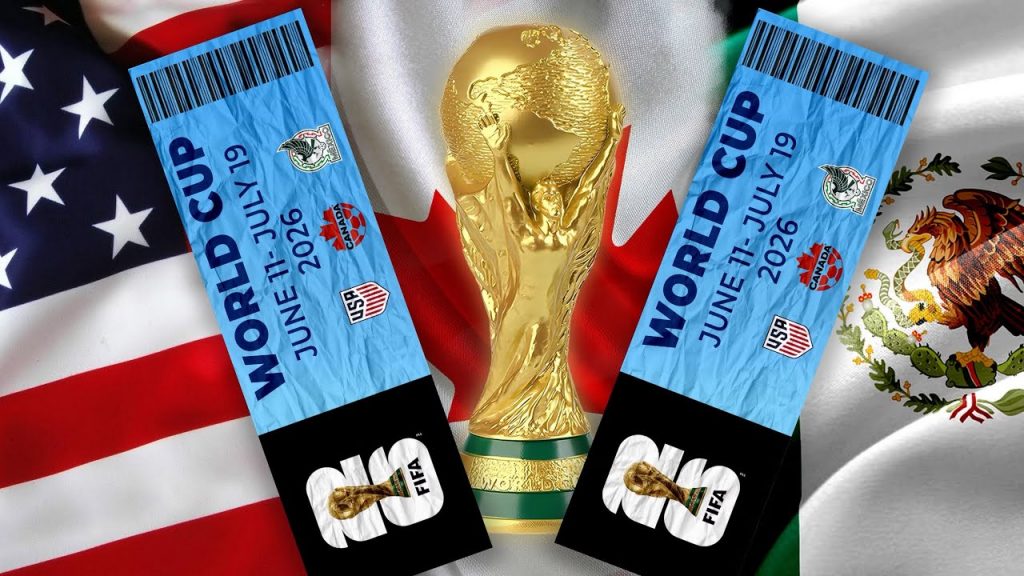

FIFA bans tailgating America-style gatherings at several World Cup 2026 stadiums, and the backlash has been immediate and loud. American football fans, long accustomed to parking-lot parties before big games, are furious. The controversy comes at a time when FIFA is already under pressure for sky-high ticket prices and concerns over fan safety. This article breaks down exactly what is happening, why it matters, and what fans need to know before buying their tailgating America tickets.
Background: What Is Tailgating in America?
To understand why FIFA bans tailgating America fans love so dearly, you first need to understand what the tradition actually is.
In US sports culture, tailgating is a pre-game social event where fans park their cars outside the stadium and gather around those vehicles to eat, drink, cook, and socialise before the game begins. It is deeply tied to the match-day experience, especially in the NFL. For many American fans, tailgating is not just a warm-up activity it is the event itself.
The tradition can begin several hours before kickoff and is especially popular among American football fans.When international visitors come to America for the World Cup 2026, many were expecting to experience this uniquely American culture firsthand. The FIFA tailgating ban has now put that experience in serious doubt.
Details: What Has FIFA Actually Said?
The controversy exploded after several US media outlets reported that FIFA was banning tailgating outright at World Cup venues. CBS News, NBC Boston, and WCVB Boston all carried reports suggesting FIFA had imposed a formal ban on tailgating.
FIFA quickly moved to clarify its position. The governing body issued a statement saying it “does not have a formal policy that restricts tailgating,” but added that site-specific restrictions may be imposed in alignment with host city public safety authorities based on local regulations.
However, at least one host city has made its stance very clear. The Boston organising committee stated on its website that tailgating “is not permitted for these events.” That is a direct, unambiguous restriction and it applies to one of the most high-profile World Cup 2026 cities.
So while FIFA bans tailgating America fans had hoped to enjoy at a national level has not been officially confirmed across all venues, the reality on the ground is more complicated. Individual cities and stadium authorities appear to have the power to enforce their own tailgating bans and some already are.
FIFA’s Stadium Security Rules Explained
Understanding why FIFA bans tailgating America-wide requires looking at the governing body’s own security framework. FIFA requires all World Cup stadiums to have two “secure perimeters.” The outer perimeter is focused on security and controlling access to the area surrounding the stadium, while the inner perimeter handles final ticket checks and authentication.
The outer perimeter is designed to ensure that no unauthorised persons are admitted to the surrounding environment of the stadium building and to create a safe distance between the stadium and any potential threat. In practice, this means large parking lots the traditional tailgating zones may fall within controlled security areas where gatherings are restricted or entirely prohibited.
Where this perimeter is drawn depends on each stadium’s location, available parking space, and how fans are expected to arrive. That is why the tailgating America tickets situation varies so much city by city.
Which US Stadiums Are Hosting World Cup 2026?
Fans holding tailgating America tickets need to know which venues are affected. The World Cup 2026 stadiums in the United States include venues in Boston (Gillette Stadium), Philadelphia (Lincoln Financial Field), Dallas (AT&T Stadium), Seattle (Lumen Field), New York/New Jersey (MetLife Stadium), Kansas City (Arrowhead Stadium), Miami (Hard Rock Stadium), Atlanta (Mercedes-Benz Stadium), Houston (NRG Stadium), San Francisco Bay Area (Levi’s Stadium), and Los Angeles (SoFi Stadium).
The USA will open their World Cup campaign against Paraguay on June 12 at the SoFi Stadium in Inglewood, California, while the MetLife Stadium in New Jersey will host the final on July 19. Fans attending matches at any of these venues should check their specific city’s rules around tailgating well in advance.
Quotes: Fans Push Back Hard
American fans have not taken the news quietly. Social media erupted after reports surfaced that FIFA bans tailgating America traditions ahead of the tournament.
One fan wrote on X: “FIFA doesn’t understand that you physically cannot stop Philadelphians from tailgating.” That sentiment was widely shared and reflects a deeper frustration that an international governing body is attempting to reshape an American cultural ritual on American soil.
Others pointed out the irony of banning tailgating at a tournament designed to win over American sports fans. Fans posted photos and videos of supporters from different countries enjoying tailgating-style gatherings outside US stadiums during the FIFA Club World Cup 2025, proving that the tradition had already become part of the global football fan experience in America.
The Bigger Picture: FIFA Prices and Fan Frustration
The tailgating ban controversy does not exist in isolation. It is the latest in a series of disputes between FIFA and fans over how the World Cup 2026 is being organised in America.
FIFA has already faced criticism for exorbitant ticket prices and inflated costs in host cities. Tailgating America tickets the idea that you could attend a match and enjoy a full pre-game experience was seen as one way to get value beyond just the 90 minutes inside the stadium. If that experience is now being stripped away, many fans feel they are paying premium prices for a diminished event.
There are also broader safety concerns in play. FIFA has been urged to call upon US President Donald Trump to ensure the safety of fans and keep US Immigration and Customs Enforcement (ICE) agents away from stadiums during the World Cup. With so many international visitors expected, fan welfare both physical and cultural has become a major talking point.
Opinion: FIFA Is Getting America Wrong
Here is the hard truth: FIFA bans tailgating America fans love, imposes steep ticket prices, and then wonders why local enthusiasm feels manufactured rather than genuine. That is not how you build a lasting football culture in the United States.
Tailgating is not just a party. It is community. It is the moment when strangers become neighbours, when rival fans share food before competing inside the stadium. Stripping that away even partially sends a message to American sports fans that their traditions are inconvenient rather than valuable.
FIFA came to America because America offers scale, infrastructure, and money. But America also offers something rarer: genuine, joyful, participatory sports culture. Tailgating is at the heart of that culture. If FIFA truly wants World Cup 2026 to leave a lasting legacy in the United States, it should be celebrating tailgating, not banning it.
Impact: What This Means for Global Fans
For international visitors travelling to America specifically for the World Cup, the FIFA tailgating ban carries a different kind of disappointment. Many had planned to experience American sports culture as part of their trip and tailgating was high on that list.
US-based supporters have taken to social media to explain how tailgating is closely linked to the match-day experience, essentially acting as informal ambassadors for American sports culture to a global audience. The ban undermines that exchange. It also raises questions about FIFA’s understanding of and respect for local traditions in each of its host nations.
The situation in America stands in contrast to Canada and Mexico, the two other co-hosts, where different stadium cultures and regulations apply. For the US leg of the tournament which accounts for the majority of matches the tailgating question remains the most emotionally charged issue among local fans.
Conclusion: What Happens Next?
FIFA’s position that it has no formal blanket ban but leaves decisions to local authorities means fans will likely face a patchwork of rules across different cities. Some stadiums may permit tailgating with restrictions. Others, like Boston, have already said no.
FIFA stated that additional fan information for all World Cup 2026 matches will be communicated in advance of the tournament.That means clarity may only come weeks before games begin leaving fans with tailgating America tickets uncertain about what their match-day experience will actually look like.
What is clear is that this debate is far from over. American fans are passionate, vocal, and organised. If FIFA is not listening now, it will hear them louder as June approaches.
Frequently Asked Questions (FAQs)
Is FIFA banning tailgating?
FIFA has stated it does not have a formal, universal policy banning tailgating. However, it has confirmed that individual host cities and stadium authorities can impose their own restrictions. Boston has already announced that tailgating is not permitted at its World Cup venue. Other cities may follow, so fans should check local rules before attending.
Is Trump keeping the FIFA World Cup?
Yes, the FIFA World Cup 2026 is proceeding as planned in the United States. However, FIFA has been urged to engage with President Trump’s administration over concerns that ICE agents could be present near stadiums, which could deter international fans particularly those from countries with tense immigration relations with the US.
Which countries are banned from the US World Cup?
No countries have been officially banned from attending the FIFA World Cup 2026 in the US. However, fans from certain nations may face visa restrictions or difficulties entering the United States due to US immigration policies. FIFA has encouraged all fans to check entry requirements for the US well in advance and has called for safe and welcoming conditions for all attendees.