Rawalpindi is once again at the centre of political and civic unrest as authorities impose Section 144 and transporters call a strike, disrupting daily life across the twin cities. Authorities in Rawalpindi have imposed Section 144 for 15 days, from April 6 to April 20, in response to growing law and order concerns.The move comes as PTI prepares for a high-stakes public rally on April 9 at Liaquat Bagh.
Background
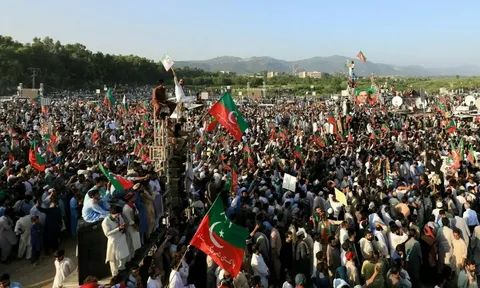
Pakistan Tehreek-e-Insaf announced it will hold a public rally at Liaquat Bagh in Rawalpindi on April 9, saying it would move the courts if authorities refuse permission for the gathering. The date of the planned rally coincides with the anniversary of the 2022 no-confidence vote that removed PTI founder and former prime minister Imran Khan from office.
Khyber Pakhtunkhwa Chief Minister Sohail Afridi said the provincial government would apply for a no-objection certificate for the gathering, adding that if the NOC is not granted, each participant will hold the rally at their respective locations.The political atmosphere in Rawalpindi has remained tense for months, with repeated cycles of protests, restrictions, and security lockdowns.
Details: Section 144 in Rawalpindi Today
According to an official notification issued by the district administration, all gatherings of five or more people have been strictly banned. Public activities including rallies, protests, sit-ins, demonstrations, and processions will not be permitted during this period.
Officials also announced a complete ban on the display of weapons and the carrying of hazardous materials such as petrol bombs, batons, and ball bearings. Additionally, restrictions have been placed on hate speech, incitement, pillion riding, and the use of loudspeakers.
The decision was taken during a meeting of the District Intelligence Committee, chaired by Deputy Commissioner Hassan Waqar Cheema, following recommendations from security agencies. The district administration has warned that strict legal action will be taken against anyone found violating Section 144.
Transport Strike in Rawalpindi and Islamabad
The political unrest is compounded by a transporters strike in Islamabad and Rawalpindi that has disrupted movement across the twin cities. In Islamabad and Rawalpindi, operations of public transport remained partially suspended as transporters observed a wheel-jam strike. At the day’s start, less than usual traffic was seen on the roads in the twin cities following the call for the strike.
There were also reports of school van owners joining the strike and passengers facing difficulties at main bus stands. Pirwadhai General Bus Stand, one of the main bus terminals in Rawalpindi, also saw less than usual activity and vehicles for inter-provincial travel were seen lining the bus bays.
While public transport on main roads largely remained suspended, Qingqi rickshaws, small vans, and small loading vehicles were operating in Rawalpindi’s commercial areas, including Raja Bazaar, and link roads.Commuters in Islamabad and Rawalpindi have been left scrambling for alternative transport options during the Islamabad transport today disruption.
PTI’s April 9 Rally: What to Expect
PTI leaders said they wanted to hold the gathering peacefully, but also made clear they would challenge any refusal through legal means and continue protests if blocked.Speaking at a press conference in Islamabad alongside Khyber Pakhtunkhwa Chief Minister Sohail Afridi and other party leaders, PTI Khyber Pakhtunkhwa president Junaid Akbar said the party would stage the rally on April 9 and stressed that peaceful protest was its constitutional right.Barrister Gohar said PTI would approach the courts if permission for the Rawalpindi rally was not granted.Security agencies and the district administration are expected to maintain a high-security posture across the city throughout the week.
Quotes
Muttahida Transport Federation of Twin Cities of Rawalpindi and Islamabad Chairperson Raja Muhammad Riaz said that while negotiations were under way, “the government is not interested in resolving the matter and even attempted to divide the [transporters’] association.”
KP Chief Minister Afridi urged the government to issue a non-objection certificate for the Rawalpindi rally and said the party would make all arrangements for the political gathering on its own. He also criticised the federal government over the state of the economy, saying that 45% of the population was living below the poverty line.
Impact: Regional Disruption
The transport strike update today in Pakistan paints a grim picture for daily commuters. Schools, offices, and businesses in both cities have been affected. The simultaneous imposition of Section 144 and the transporters strike in Islamabad and Rawalpindi have created a double burden for residents who depend on public transport for work and healthcare access.
Almost everything with more than four wheels was off the road. All inter-city buses from Pir Wadhai, Faizabad, and Soan bus stands were suspended, goods trucks were parked, and school vans associated with transporter unions were also not operating in many areas.
The strike in Rawalpindi today has also raised concerns over supply chain disruptions, with fruit, vegetable, and grocery deliveries expected to be delayed across both cities. Residents have been advised to use app-based ride services or metro where available.
Conclusion
The coming days will be critical for Rawalpindi and Islamabad. The today strike in Rawalpindi tied to political tensions shows no immediate sign of easing. PTI remains firm on its April 9 rally plan, while the government is equally firm on maintaining public order under Section 144. Whether transporters and the government reach a negotiated settlement and whether PTI is granted its NOC will determine how the situation unfolds.
Citizens and commuters are advised to stay updated through official channels and plan their travel in advance amid the ongoing Islamabad transport today disruptions.
FAQs
What is Section 144 in Pakistan?
Section 144 of the Code of Criminal Procedure (CrPC) is a legal provision that empowers district administrations to prohibit gatherings of four or more people in a specified area for a limited period of time. It is used during emergencies, political unrest, or situations that may threaten public order.
What happens under Section 144?
Under Section 144, all public assemblies, rallies, processions, and sit-ins are strictly banned. The use of loudspeakers, display of weapons, and pillion riding may also be prohibited under the same order. Law enforcement agencies are empowered to disperse crowds and arrest violators without delay.
What is the punishment for 144 PPC?
Violating Section 144 is a punishable offence under Pakistani law. Individuals who defy the order can be arrested on the spot and may face imprisonment of up to six months, a fine, or both, depending on the severity of the violation and the discretion of the court.