
(Publish from Houston Texas USA)
(By Maqbool A. Malick, Director Public Relations, Faisalabad)
Faisalabad Urban Development drives major improvements in infrastructure, public services, and urban living standards
Faisalabad, long regarded as the industrial backbone of Punjab, is undergoing a remarkable transformation driven by a series of ambitious, high-value infrastructure projects. With cumulative investments exceeding Rs. 96 billion, the city is stepping into a new era of urban modernization, sustainability, and economic vitality. These projects are not merely construction initiatives; they represent a strategic vision aimed at addressing decades-old civic challenges while laying a strong foundation for a progressive and resilient urban future.
Faisalabad Urban Development is reshaping the city with modern infrastructure and improved public services. Through Faisalabad Urban Development, key sectors like roads, water supply, and sanitation are being upgraded. Faisalabad Urban Development also supports sustainable growth and better living standards. These efforts under Faisalabad Urban Development are boosting economic activity. Overall, Faisalabad Urban Development is driving the city toward a modern future.
As one of Pakistan’s largest industrial hubs, Faisalabad has historically played a crucial role in the country’s economic development. However, rapid population growth, industrial expansion, and urbanization have placed immense pressure on its infrastructure. Recognizing these challenges, the Punjab Government has launched a comprehensive development agenda under the leadership of Chief Minister Maryam Nawaz, focusing on modernizing infrastructure, improving service delivery, and enhancing the overall quality of life.
Strategic Vision for Urban Transformation
The ongoing development initiatives reflect a holistic and forward-looking approach to urban planning. Rather than addressing issues in isolation, these projects are interconnected, targeting key sectors such as water supply, sanitation, environmental sustainability, transportation, and commercial development. The goal is to create a city that is not only economically vibrant but also environmentally sustainable and socially inclusive.
The role of administrative leadership has been critical in driving this transformation. The Commissioner Faisalabad, Raja Jahangir Anwer, is closely monitoring the progress of these projects, ensuring timely execution and maintaining quality standards. Regular reviews and performance assessments are helping keep the projects on track, demonstrating a strong commitment to efficient governance and accountability.
Beautification of Kutcheri Bazar: Preserving Heritage with Modernity
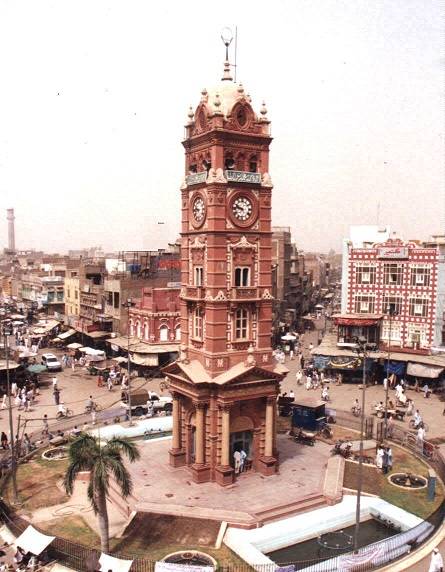
One of the flagship projects of this transformation is the beautification and redevelopment of Kutcheri Bazar, with an investment of Rs. 1 billion. Known for its historical and commercial significance, Kutcheri Bazar is being revitalized to meet modern urban standards while preserving its cultural identity.
The project includes the development of pedestrian-friendly walkways, installation of energy-efficient street lighting, and façade improvements for commercial buildings. Additionally, modern traffic management systems are being introduced to reduce congestion and enhance mobility within the area.
Once completed, Kutcheri Bazar is expected to emerge as a model commercial corridor that seamlessly blends heritage with modern infrastructure. This transformation will not only improve the shopping experience but also boost economic activity by attracting more visitors and businesses.
Water Resource Extension Project: Addressing a Critical Need
Water scarcity has long been a pressing issue for Faisalabad, particularly with its growing population and industrial demands. The Rs. 23 billion Water Resource Extension Project aims to tackle this challenge by significantly enhancing water availability and improving distribution systems.
This initiative focuses on expanding water supply networks, upgrading infrastructure, and ensuring equitable access to clean water across residential, commercial, and industrial zones. By strengthening water management systems, the project will support sustainable urban growth and reduce the burden on existing resources.
Access to clean water is fundamental to public health and economic development. Therefore, this project is expected to have a far-reaching impact, improving living standards and supporting industrial productivity.
Wastewater Treatment Project: A Leap Toward Environmental Sustainability
Environmental sustainability is a central pillar of Faisalabad’s transformation strategy. The Rs. 56 billion Wastewater Treatment Project, funded through international collaboration, represents a landmark step in this direction.
The project introduces advanced wastewater treatment facilities designed to significantly reduce the discharge of untreated sewage into natural water bodies. By adopting modern treatment technologies, Faisalabad will improve its environmental footprint and move toward sustainable water reuse practices.
The benefits of this initiative extend beyond environmental protection. Treated wastewater can be reused for agricultural purposes, enhancing crop productivity and reducing the demand for freshwater resources. Moreover, improved sanitation will contribute to better public health outcomes and compliance with international environmental standards.
Sewerage System Upgradation: Building Urban Resilience
Another critical component of the development plan is the Rs. 12 billion Sewerage System Rehabilitation and Upgradation Project under the Punjab Development Program. Aging and inefficient sewerage infrastructure has been a longstanding issue, particularly during the monsoon season when urban flooding disrupts daily life.
This project aims to replace outdated sewer lines, increase drainage capacity, and implement modern engineering solutions to ensure efficient wastewater disposal. By addressing these challenges, the city will become more resilient to seasonal weather conditions and improve overall sanitation standards.
The modernization of sewerage infrastructure is essential for maintaining public health, preventing waterborne diseases, and ensuring a cleaner urban environment.
Road Infrastructure Development: Enhancing Connectivity
Efficient transportation is a key driver of economic growth, and Faisalabad’s road infrastructure is receiving significant attention under the development plan. The Rs. 4.30 billion Road Rehabilitation Project, undertaken by the Municipal Corporation Faisalabad, aims to upgrade the city’s transportation network.
This project includes the reconstruction and resurfacing of major roads, repair of damaged sections, and implementation of traffic management measures to streamline vehicular movement. Improved road conditions will reduce travel time, lower vehicle operating costs, and enhance road safety for commuters.
Enhanced connectivity will facilitate trade and commerce, making it easier for businesses to operate and expand. As mobility improves, the city’s economic potential is expected to grow significantly.
Economic Impact and Investment Opportunities
Collectively, these development projects are expected to generate substantial economic benefits. Improved infrastructure will attract both domestic and foreign investment, creating new business opportunities and boosting industrial growth.
The construction and implementation phases are also generating employment opportunities, providing livelihoods to thousands of workers. In the long term, a modernized urban environment will foster entrepreneurship and innovation, contributing to sustained economic development.
Faisalabad’s transformation is positioning it as a competitive and investment-friendly city, capable of meeting the demands of a rapidly evolving global economy.
Sustainability and Smart Urban Governance
A key feature of these initiatives is the emphasis on sustainability and smart urban governance. By integrating advanced technologies and adopting environmentally responsible practices, Faisalabad is moving toward a smarter and more efficient urban model.
From energy-efficient lighting systems to modern wastewater treatment technologies, these projects reflect a commitment to reducing environmental impact while improving service delivery. This approach aligns with global trends in urban development, where sustainability and innovation play a central role.
Improving Quality of Life
At the heart of Faisalabad’s transformation is the goal of improving the quality of life for its residents. Better infrastructure, reliable water supply, improved sanitation, and enhanced transportation systems will create a more comfortable and livable urban environment.
Public spaces like Kutcheri Bazar will become more accessible and enjoyable, while improved environmental conditions will contribute to better health and well-being. These changes are not only enhancing the city’s physical landscape but also fostering a sense of pride and community among its residents.
Challenges and the Way Forward
While the progress is promising, the successful completion of these projects requires sustained effort, effective coordination, and continuous monitoring. Challenges such as resource management, timely execution, and maintaining quality standards must be addressed to ensure long-term success.
Public cooperation and stakeholder engagement will also play a crucial role in maximizing the impact of these initiatives. By working together, government authorities, businesses, and citizens can contribute to building a better future for Faisalabad.
Conclusion: A City Poised for the Future
Faisalabad’s ongoing transformation represents a significant milestone in its journey toward becoming a modern, sustainable, and economically vibrant city. The extensive infrastructure development initiatives demonstrate a clear vision and strong commitment to public welfare.
Faisalabad Urban Development is rapidly transforming the city through large-scale infrastructure projects and strategic planning aimed at improving urban living standards. The ongoing Faisalabad Urban Development initiatives focus on modernizing roads, upgrading sewerage systems, and ensuring a reliable water supply for residents and industries. In addition, Faisalabad Urban Development is playing a key role in enhancing environmental sustainability through advanced wastewater treatment and improved waste management systems. These projects under Faisalabad Urban Development are not only addressing long-standing civic issues but also creating new economic opportunities and attracting investment. Overall, Faisalabad Urban Development represents a forward-looking vision that is reshaping the city into a modern, efficient, and sustainable urban center.
For more reading please visit our Articles.