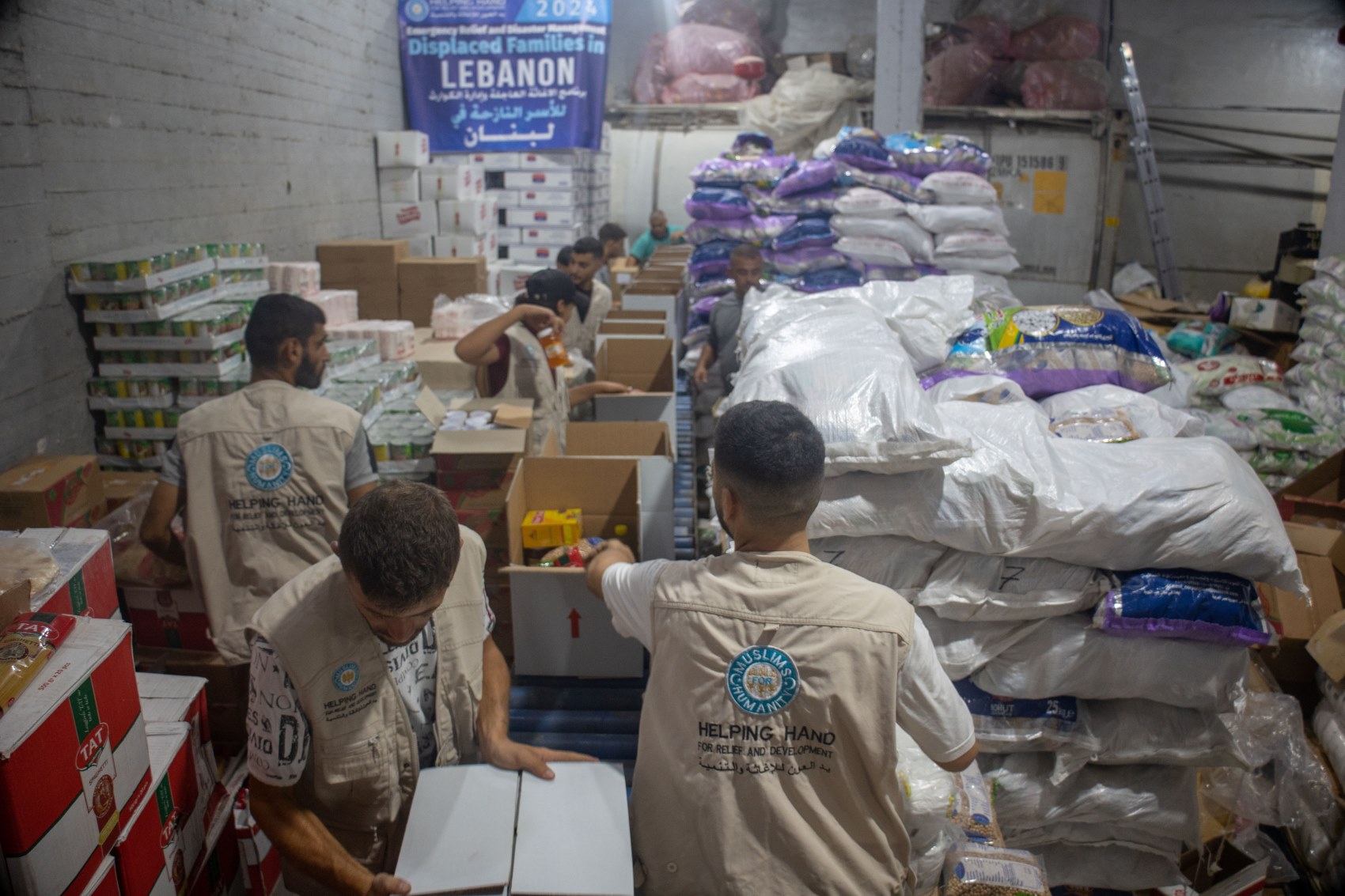
Lebanon relief operations are struggling to keep pace with one of the most severe humanitarian crises in the country’s modern history — as the combined impact of the Iran war spillover, ongoing Israel attack Lebanon airstrikes, and the collapse of Lebanon’s already fragile economy pushes millions of Lebanese and displaced Syrians to the edge of survival. Lebanon relief organisations operating on the ground report acute shortages of food, medicine, shelter, and clean water across the country’s southern regions and Beirut suburbs. Lebanon news from the front lines of the humanitarian response paints a picture of a nation simultaneously absorbing the consequences of regional war, internal political paralysis, and a decade-long economic collapse that has left the Lebanese state unable to coordinate its own relief efforts.
Background: Why Lebanon Relief Is a Crisis Within a Crisis
To understand the scale of the Lebanon relief challenge, it is necessary to understand that Lebanon was already in a state of profound humanitarian emergency before the current regional war intensified its difficulties.
Lebanon’s economic collapse — which began in 2019 and accelerated through the 2020 Beirut port explosion — destroyed the savings of an entire middle class, collapsed the Lebanese pound to a fraction of its former value, and drove an estimated 80 percent of the population below the poverty line. The Lebanese banking system froze depositors’ accounts. The state could no longer pay salaries for public sector workers, doctors, or soldiers. Lebanon news throughout this period documented a slow-motion national catastrophe that the international community largely failed to arrest.
Into this pre-existing catastrophe came the Israel attack Lebanon military campaign — which began in the context of the broader US-Israel war on Iran and significantly expanded Israeli strikes on Hezbollah infrastructure across southern Lebanon and the Beirut southern suburbs. The Israel attack Lebanon operations have killed over 394 people including 83 children according to Lebanon relief monitoring organisations, displaced hundreds of thousands from southern villages, and destroyed critical infrastructure including roads, bridges, and electricity facilities that Lebanon relief operations depend on to deliver aid.
Syria relief operations have also been affected by the regional crisis — with the Lebanon-Syria border crossing disruptions impacting the flow of humanitarian supplies that transit through Lebanon to reach Syrian refugee populations inside Lebanon and across the border. Lebanon currently hosts approximately 1.5 million registered Syrian refugees — the highest per capita refugee population of any country in the world — making Lebanon relief and Syria relief operationally inseparable.
Details: Lebanon Relief — The Full Picture
Lebanon Relief — Scale of the Crisis
Lebanon relief organisations currently estimate that approximately 2.5 million people in Lebanon — more than a third of the total population — require some form of humanitarian assistance. This figure includes Lebanese nationals displaced by Israel attack Lebanon operations in the south, Syrian refugees whose already precarious situation has been further destabilised by the current conflict, and Palestinian refugees living in Lebanon’s 12 official refugee camps.
Lebanon relief food insecurity data is particularly alarming. The World Food Programme estimates that food insecurity in Lebanon has reached levels not recorded since the worst phases of the 2006 Lebanon-Israel war and the 2020 port explosion. Lebanon news reports from southern towns and villages describe markets with empty shelves, bakeries unable to source flour, and families surviving on one meal per day.
Lebanon relief medical operations face equally severe challenges. Hospitals in southern Lebanon have been operating at over 120 percent capacity following Israel attack Lebanon strikes on civilian areas. Medicine shortages — already severe before the current crisis due to Lebanon’s foreign currency collapse — have become critical, with Lebanon relief medical organisations reporting stockouts of basic antibiotics, insulin, and cancer treatment drugs.
Israel Attack Lebanon — Impact on Relief Operations
The Israel attack Lebanon military campaign has created both a humanitarian emergency and a Lebanon relief operational nightmare. Israel attack Lebanon strikes on road infrastructure have cut off relief supply routes to dozens of southern villages — forcing Lebanon relief organisations to use longer, more dangerous alternative routes that significantly increase the cost and time required to deliver aid.
Israel attack Lebanon targeting of Hezbollah infrastructure in the Beirut southern suburbs — the densely populated area known as the Dahiya — has displaced hundreds of thousands of residents who have flooded into central Beirut, overwhelming the Lebanon relief shelters established in schools, community centres, and public buildings.
Lebanon news from the south documents villages where Lebanon relief organisations cannot reach at all due to active military operations — leaving isolated communities dependent on whatever local food stocks remain. Lebanon relief air operations have been attempted in some cases, but the active air defence environment created by the broader Iran war has severely constrained humanitarian aviation across the region.
Syria Relief Connection to Lebanon Relief
The Syria relief dimension of the Lebanon relief crisis is frequently overlooked in international coverage focused on the military dimensions of the conflict. Lebanon hosts approximately 1.5 million registered Syrian refugees — and an estimated additional 500,000 unregistered Syrians — making it the most refugee-dense country on earth relative to its own population.
Syria relief operations running through Lebanon have been severely disrupted by the current crisis. The Masnaa border crossing — the primary overland route between Lebanon and Syria and the main artery for Syria relief supply chains — has been closed intermittently due to security concerns related to the broader regional conflict.
Lebanon relief organisations coordinating with Syria relief partners report that the dual displacement pressure — Lebanese nationals displaced by Israel attack Lebanon operations moving into areas that already host Syrian refugees — is creating dangerous competition for shelter, food, and water resources that Lebanon relief capacity cannot adequately address.
Lebanon News — International Response
Lebanon news regarding the international humanitarian response documents a gap between the pledges made by donor governments and the actual funds reaching Lebanon relief organisations on the ground.
A United Nations emergency appeal for Lebanon relief funding has received less than 40 percent of its target — a reflection of donor fatigue after years of Lebanon news documenting successive crises without the structural reforms that international donors have demanded as conditions for broader budget support.
The European Union has announced emergency Lebanon relief funding of 50 million euros — targeted specifically at food assistance, emergency medical supplies, and shelter support for populations displaced by Israel attack Lebanon operations. The United States has announced an additional 35 million dollars in Lebanon relief assistance through USAID — though Lebanon news reports from relief organisations suggest that disbursement timelines mean these funds will not reach beneficiaries for several weeks.
Quotes on Lebanon Relief
UNHCR Lebanon Representative Ayaki Ito stated that Lebanon relief operations were being conducted under extraordinarily difficult conditions — with active military operations limiting access, funding shortfalls constraining capacity, and the sheer scale of displacement exceeding anything Lebanon relief organisations had planned for in their emergency response frameworks.
World Food Programme Lebanon Country Director Matthew Hollingworth told Lebanon news outlets that the food security situation in southern Lebanon was deteriorating faster than Lebanon relief food distribution operations could respond, adding that without immediate additional funding and improved humanitarian access, acute malnutrition would become a significant Lebanon relief challenge within weeks.
Doctors Without Borders Lebanon coordinator Dr Sarah Abboud described the medical Lebanon relief situation as critical — stating that hospitals in the south were overwhelmed, medicine stockouts were life-threatening, and the Israel attack Lebanon destruction of road infrastructure was preventing Lebanon relief medical teams from reaching the patients who needed them most.
UN Secretary-General Antonio Guterres called on all parties to the conflict to guarantee the safety of Lebanon relief workers and humanitarian supply routes, stating that the protection of civilians and humanitarian access were non-negotiable obligations under international humanitarian law regardless of the military objectives of any party to the Israel attack Lebanon operations.
Lebanese Prime Minister Nawaf Salam appealed to the international community for emergency Lebanon relief funding, stating that Lebanon was absorbing a humanitarian catastrophe that no country of its size and economic condition could manage alone — and calling specifically on Arab League member states to increase their Lebanon relief contributions given the regional dimensions of the crisis.
Impact: What the Lebanon Relief Crisis Means for the Region
Lebanon News — Long-Term Displacement Risk
The Lebanon relief crisis carries long-term displacement risks that extend well beyond Lebanon’s borders. If Lebanon relief operations cannot stabilise the humanitarian situation, the risk of secondary displacement — Lebanese and Syrian refugees attempting to reach Europe or other regional countries — increases significantly.
Lebanon news has already documented increases in irregular migration attempts from Lebanese coastal areas — a trend that Lebanon relief organisations warn will accelerate if the humanitarian situation continues to deteriorate without adequate international response.
Syria Relief — Regional Humanitarian System Under Pressure
The Syria relief system that has operated out of Lebanon for over a decade is under severe pressure from the current crisis. Lebanon relief and Syria relief operations share logistics infrastructure, warehousing, staffing, and donor funding pools that were already stretched before the current regional war began.
The simultaneous pressure on Lebanon relief and Syria relief operations risks a humanitarian system collapse that could leave millions of people across both countries without adequate assistance — a scenario that UN agencies describe as potentially the worst humanitarian situation in the Eastern Mediterranean since the height of the Syrian civil war.
Israel Attack Lebanon — Reconstruction Challenge
The Lebanon relief immediate response crisis will eventually give way to a Lebanon reconstruction challenge of enormous proportions. Israel attack Lebanon operations have destroyed infrastructure whose replacement will cost billions of dollars — resources that Lebanon, with its collapsed economy and dysfunctional political system, cannot generate domestically.
Lebanon news from reconstruction experts suggests that the damage from the current Israel attack Lebanon campaign has set Lebanon’s infrastructure development back by at least a decade — creating a post-conflict Lebanon relief and reconstruction challenge that will require sustained international commitment far beyond the emergency phase of the current crisis.
Frequently Asked Questions About Lebanon Relief
How Much Aid Does Lebanon Receive?
Lebanon receives significant international humanitarian aid but far less than its crisis requires. The UN emergency appeal for Lebanon relief in the current crisis has received less than 40 percent of its funding target. The EU has pledged 50 million euros and the US 35 million dollars in emergency Lebanon relief assistance. Prior to the current crisis, Lebanon received approximately 500 million dollars annually in international humanitarian assistance — primarily directed at Syria relief operations for the 1.5 million Syrian refugees hosted in the country. Total Lebanon relief funding across all donors and all programmes remains well below the estimated 2 billion dollars annually that UN agencies calculate is needed to adequately address Lebanon’s humanitarian needs.
What Is the Humanitarian Situation in Lebanon?
The humanitarian situation in Lebanon is severe and deteriorating. Approximately 2.5 million people require humanitarian assistance. Food insecurity has reached crisis levels in southern Lebanon and Beirut suburbs. Hospitals are operating above capacity with critical medicine shortages. Hundreds of thousands of people have been displaced by Israel attack Lebanon military operations. Lebanon relief organisations report acute shortages of food, medicine, shelter, and clean water. The situation is compounded by Lebanon’s pre-existing economic collapse, the presence of 1.5 million Syrian refugees requiring parallel Syria relief support, and the active military environment that restricts Lebanon relief access to conflict-affected areas.
Can a Palestinian Enter Lebanon?
Palestinians can enter Lebanon but face severe legal and practical restrictions on their rights and movement once inside the country. Lebanon hosts approximately 250,000 registered Palestinian refugees — the descendants of those displaced during the 1948 Arab-Israeli war — living primarily in 12 official refugee camps including Shatila, Bourj el-Barajneh, and Ain el-Hilweh. Palestinians in Lebanon are legally prohibited from working in over 30 professions, cannot own property, and have extremely limited access to public services including healthcare and education — making Lebanon relief support from UNRWA and international NGOs essential to their survival. Palestinians arriving from Gaza or the West Bank face additional restrictions and require specific entry documentation. Lebanon’s refusal to grant Palestinians citizenship or permanent residency rights is rooted in political concerns about permanently altering Lebanon’s sectarian demographic balance — a policy that Lebanon news has documented as deeply controversial both domestically and internationally.
Conclusion
Lebanon relief operations are fighting a battle on multiple fronts simultaneously — against the humanitarian consequences of Israel attack Lebanon military operations, against the pre-existing economic collapse that has destroyed Lebanese state capacity, against the Syria relief burden of hosting 1.5 million refugees, and against the international donor fatigue that has left Lebanon relief funding chronically below what the crisis demands. Lebanon news from the ground makes clear that without a significant increase in international Lebanon relief funding, improved humanitarian access, and ultimately a political resolution to the military conflicts driving the displacement, Lebanon faces a humanitarian trajectory that will define the country’s future for a generation. The world cannot claim it was not warned.