


(Publish from Houston Texas USA)
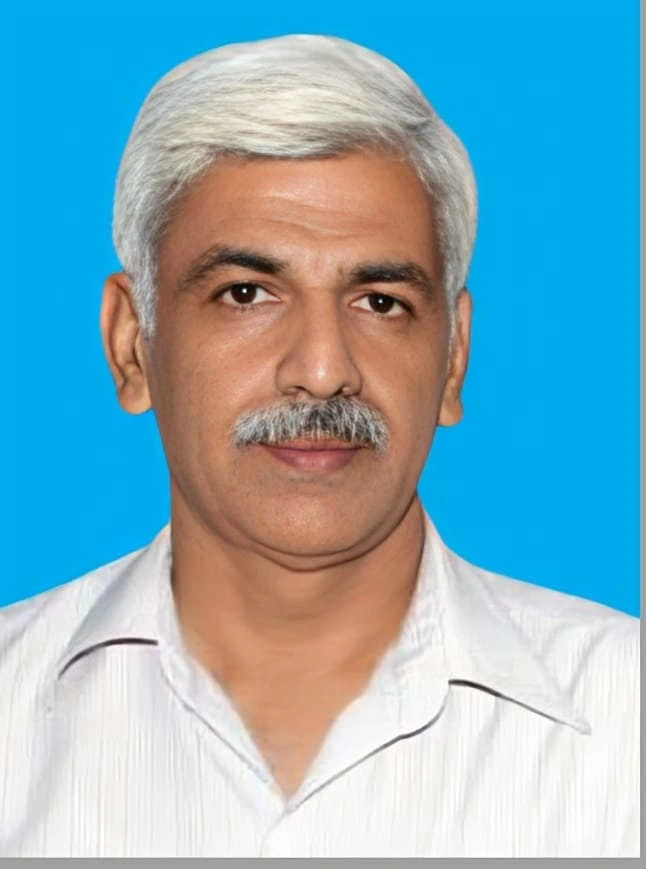
(By Mian Iftikhar Ahmad)
Internal Power Struggles and Factional Tensions Shape Afghanistan’s Stability, with Kandahar, Kabul, and the Haqqani Network at the Center of Policy and Governance Conflicts
Afghanistan is once again passing through one of the most delicate periods in its history. Despite having complete control over power, stability remains a challenge. The Afghan Taliban took over the administration of the country in 2021. Taking control of power and stabilizing the state are two very different stages. Today, Afghanistan seemingly has a central government. Yet internal disagreements in policymaking are becoming increasingly evident. The true center of decision-making is considered to be the southern city of Kandahar. Here, Supreme Leader Hibatullah Akhundzada’s influence dominates. His orders hold final authority. Kabul functions as the administrative and diplomatic center. Officials in Kabul do not wish to completely sever international relations. This difference forms the basis of internal policy disagreements. Kandahar’s stance is rooted in ideological rigidity. Some circles in Kabul prefer practical necessities. The issue of women’s education is a notable example of this disagreement. Restrictions on secondary and higher education have drawn severe international criticism. Some Kabul officials have expressed a desire for leniency, yet final decisions come from Kandahar. This situation reflects the balance of internal power. In this context, it is important to understand the Haqqani network under Sirajuddin Haqqani. This group has historically been strong in eastern Afghanistan, especially in Khost province and border areas. The Haqqani network has remained controversial due to alleged links with Pakistan. After 2021, it became part of Afghanistan’s state machinery. The Haqqani faction seeks relative flexibility in practical matters. This includes security arrangements, health issues, and internal order. Their soft stance on women’s education is evident in allowing female medical workers to assist in surgeries and prenatal care. However, ideological and final authority still remains concentrated in Kandahar. Historically, northern Afghanistan has been a cradle of education and development. The influence of the Northern Alliance has persisted, and during the Soviet era, Mohammad Najibullah’s government relied on urban infrastructure and education. Even today, educated populations exist in Mazar-i-Sharif, Badakhshan, Panjshir, and other northern districts, and they advocate for women’s education. These areas, being close to Peshawar, have been influenced by the cultural and intellectual traditions of the Indian subcontinent. The north has produced lawyers, scientists, and intellectuals, forming Afghanistan’s enlightened face. Hazara and other minority groups in these areas also support women’s education and social rights. Thus, northern Afghanistan’s approach differs from Kandahar and the south, where conservatism and strict religious interpretations dominate. The Haqqani network, being relatively modern, has shown partial flexibility on women’s education, for instance by permitting women to participate in gynecology and maternal health services. However, southern Kandahar and hardline clerics maintain medieval attitudes. Their view of women’s freedom and rights remains extremely limited and is often seen as a commodity or economic asset. Historical incidents involving the U.S. military and ransom cases also reflect this conservative mindset. The commanders in this faction maintain control through local armed groups and drug-related resources. Afghanistan’s informal economy includes different levels of participation from both northern and southern factions. In the north, educated populations and some local laboratories produce meth from ephedrine, primarily for local use or limited smuggling, whereas the Kandahar faction focuses on large-scale production, smuggling, and global profit. Kandahar leaders use routes to Dubai, Japan, and other international markets and establish financial connections to maintain economic power. These internal economic dimensions are a major source of tension between the groups. Relationships among the Kabul administration, the Haqqani network, and the Kandahar faction are marked by a lack of trust. Each group wants control over its resources, weapons, and territories. Economic pressure has intensified these disagreements.
Economic Pressure, Border Tensions, and Internal Factional Struggles
Internal divisions in Afghanistan are not only ideological but also economic and military. Northern and southern factions continuously compete for resources, weapons, and local control. In northern Afghanistan, educated populations, lawyers, scientists, and urban elements, despite limited military power, influence internal policy and economic activity. In Mazar-i-Sharif, Badakhshan, Panjshir, and other northern districts, tribes advocate for women’s education and social reforms. By contrast, hardline clerics and fighters in Kandahar and southern Afghanistan strictly adhere to social traditions and conservative religious interpretations. Their economic sources largely depend on illicit activities, smuggling, and drug production. The Haqqani network exerts influence in eastern Afghanistan, particularly Khost and border areas. Despite accusations of links to Pakistan, the network has become part of Afghanistan’s internal political structure. The Haqqani network demonstrates partial flexibility in practical matters, particularly health and women’s services, yet ideological and military authority remains concentrated in Kandahar. Differences in the internal economy are creating tensions between northern and southern groups. The northern faction focuses on limited production and local use, while the Kandahar faction has access to global markets and earns profits through smuggling to Dubai, Japan, and other countries. Economic pressure has deepened internal divisions. The Kabul government continues efforts to gain support from the remnants of the Northern Alliance and local tribes, yet the Kandahar faction uses its influence and military power to intervene in northern regions.
Relations with Pakistan also impact internal stability. Tehrik-i-Taliban Pakistan attacks and border clashes complicate the internal factional struggle. Border locations such as Torkham and Chaman are notorious for tensions, reflecting complex local and international relations. The combination of internal factionalism and border tensions makes Afghanistan’s future uncertain. Northern factions, remnants of the Northern Alliance, Hazara communities, and other resistant elements can exert influence, while southern and Kandahar groups maintain economic control through military strength and smuggling networks. Afghanistan’s informal economy involves opium, ephedrine, and other drugs, with each faction participating at some level. The interplay of economic pressure and military power has further deepened internal divisions. Northern and southern groups remain threats to each other, and there is a lack of trust in internal narratives. Economic and military differences have constrained political processes, and the Taliban’s survival depends on economic and political reforms.
Three potential scenarios emerge for Afghanistan’s future. First, the Taliban maintain unity and central authority despite internal disagreements. Second, gradual moderation and political inclusion occur under economic pressure. Third, a major event triggers armed conflict, and northern resistance elements become active. The first scenario is the most realistic and least risky for regional peace. The second is difficult but possible. The third is highly dangerous and catastrophic. Internal divisions, north-south factional struggles, and international pressure will determine Afghanistan’s future direction. Political reforms, economic recovery, and regional cooperation are indispensable for internal stability. If these are achieved, Afghanistan could once again play a bridging role in the region. If not, internal divisions may spill across borders and trigger new regional tensions.
Analyzing the military activities of northern and southern factions shows that the north, with limited resources and local support, influences internal policy, while Kandahar and Haqqani groups access global markets and earn large profits. Economic pressure complicates internal divisions. Educated northern populations advocate social reforms and women’s education, while southern factions maintain conservative attitudes. This struggle affects policy-making and the balance of influence within the Taliban administration. Relations between Pakistan and Afghanistan further complicate internal tensions. TTP attacks and border clashes pose risks for internal factions. The combination of internal and border issues represents a fundamental challenge for Afghanistan’s future. Three scenarios exist: first, Taliban maintain unity and central authority despite internal disagreements; second, gradual moderation and political inclusion occur under economic pressure; third, a major incident triggers armed conflict, and northern resistance elements become active. The first scenario is realistic and less dangerous. The second is difficult but feasible. The third is extremely dangerous and catastrophic. Internal divisions, north-south struggles, and international pressure will shape Afghanistan’s future. For stability, political reforms, economic recovery, and regional cooperation are essential. If these measures succeed, Afghanistan can once again act as a bridge in the region. Otherwise, internal divisions could extend beyond borders, creating new regional tensions. Afghanistan’s future depends not on ideology but on state survival, economic stability, and internal balance.
Solutions for Afghanistan’s Stability, Regional Cooperation, and Future Strategy
Afghanistan’s internal divisions arise not only from political or ideological differences but also economic, military, and geographical factors. Internal disagreements manifest in continuous conflicts between northern and southern factions. Educated civilians and tribal groups in the north can influence internal policy, social reforms, and economic activities despite limited military power. Tribes in Mazar-i-Sharif, Badakhshan, Panjshir, and other northern districts advocate for women’s education and social reforms. In southern Afghanistan, clerics and hardline fighters exercise full control over social systems and internal order through conservative and military power. The Kandahar faction and Haqqani network reinforce their influence through large-scale economic activities, illicit smuggling, and drug production. Afghanistan’s informal economy includes opium, ephedrine, and other drugs. The northern faction focuses on limited production and local sale, while the Kandahar faction has global market access and earns profit through smuggling to Dubai, Japan, and other countries. Economic pressure deepens internal divisions. The Kabul administration continues to seek support from remnants of the Northern Alliance and local tribes. Lack of trust in internal narratives and political processes increases tensions. The Taliban’s survival depends on economic and political reforms. Three potential scenarios exist: first, Taliban maintain unity and central authority; second, gradual moderation and political inclusion under economic pressure; third, armed conflict erupts, and northern resistance elements become active. The first scenario is realistic and least risky. The second is difficult but possible. The third is extremely dangerous. Internal divisions, north-south factional struggles, and international pressure will determine Afghanistan’s future.
Three major steps are crucial for stability. First, internal political reforms and rebuilding trust between power centers to reduce north-south tensions and strengthen central authority. Second, economic reforms and restoration of basic services to prevent poverty, unemployment, and hunger from deepening internal divisions. Third, regional cooperation, especially with Pakistan, Iran, Turkmenistan, and China, to prevent Afghanistan from sliding into complete isolation and to ensure access to external markets and humanitarian aid. Without addressing internal and external factors, border tensions and international relations may be adversely affected. Fair distribution of economic resources, development of education, healthcare, and infrastructure are essential. Without economic reforms and international cooperation, the Taliban government may face internal pressures in a limited period. Internal divisions in Afghanistan are further complicated by economic, military, geographical, and tribal dimensions. Northern regions are advanced in education, development, and urban services, while southern regions maintain conservative social traditions and military strength. Internal tension and border clashes determine Afghanistan’s future direction. Maintaining internal balance is critical not only for the Taliban’s survival but also for regional peace and stability. Without economic and political reforms, internal divisions could worsen and affect neighboring countries. Afghanistan’s future relies not on ideological dominance but on state survival, economic stability, and internal balance. Internal divisions, north-south struggles, economic pressure, border tensions, and international influence are key factors shaping the country’s future.
Stability strategy must include three elements. First, rebuilding trust among internal powers to maintain central authority. Second, economic stabilization and restoration of basic services to prevent deepening poverty and unemployment. Third, regional cooperation and international assistance to avoid complete isolation and economic crisis. North-south factional tensions and border clashes are fundamental challenges for the future. Internal differences and economic pressures may push Afghanistan toward instability. Internal stability, economic recovery, and regional cooperation could allow Afghanistan to act as a regional bridge once again.
Afghanistan’s internal balance and future strategy are interconnected. Educated and reform-minded northern factions are crucial for policy, economic reforms, and social development. Southern and Kandahar groups exert influence through military power and illicit economic activities. Internal divisions, economic pressure, and border tensions determine the country’s future. Three potential scenarios exist: first realistic and low-risk, second difficult but possible, third highly dangerous and catastrophic. Political reforms, economic recovery, education, healthcare, and infrastructure are essential for stability. If these measures succeed, Afghanistan could again serve as a regional bridge; if not, internal divisions could spill across borders and generate new tensions. Afghanistan’s internal strife, economic and military factors, north-south conflicts, border clashes, and international pressure collectively shape its future. The Taliban’s aim is to stabilize the country through a combination of internal balance, economic recovery, and regional cooperation. Educated northern populations advocate reforms and women’s education, while southern factions maintain influence through military and illicit activities. Internal divisions, economic pressure, and border tension will define Afghanistan’s future. Without effective measures, internal disagreements may extend beyond borders, causing regional instability. Afghanistan’s future depends on state survival, economic stability, and internal equilibrium.
For more reading please visit our Articles.