

A Multi-Sector Approach to Housing Security: Key Takeaways from Houston Community Media’s ‘Getting Housed, Staying Housed’ Briefing
(Publish from Houston Texas USA)
(By: Tariq Khan)
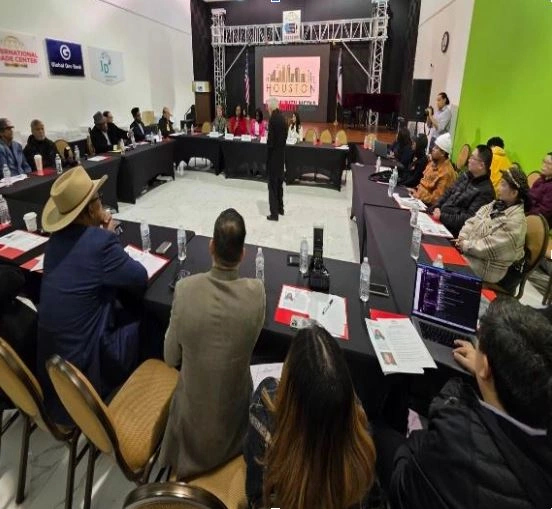
The challenge of securing and maintaining affordable housing remains one of the most pressing urban issues in the United States, and Houston, Texas, is no exception. In a comprehensive effort to dissect this complex issue and present multifaceted solutions, Houston Community Media recently hosted a critical briefing titled “Getting Housed, Staying Housed in Houston.” Held on Tuesday, January 27, 2026, at the Southern News Group headquarters, the event brought together a formidable panel of experts from the public, non-profit, and academic sectors, all dedicated to transforming the landscape of housing security in the nation’s fourth-largest city.
The event was expertly moderated by Sandy Close, the distinguished founder of Houston Ethnic Media and American Community Media (ACoM). Close’s decades of experience in elevating the voices of diverse communities and ethnic media outlets provided a crucial framework for the discussion, ensuring that the conversation remained grounded in the real-world impact of housing policy on Houston’s varied populations. Her role underscored the importance of ethnic media in disseminating vital information and fostering community dialogue on issues of economic and social justice.
The panel itself was a testament to the collaborative effort required to tackle housing insecurity, featuring five leaders whose work spans the entire spectrum of the housing crisis—from land acquisition and affordable homeownership to direct homeless services and community resource connection. The diversity of expertise ensured a holistic examination of the problem, moving beyond single-solution narratives to explore systemic and sustainable interventions.
The Panellists: Leaders in Housing Security
The briefing featured a distinguished group of experts, each bringing a unique perspective to the multifaceted challenge of housing in Houston:
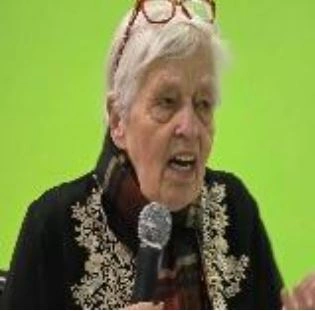
- Sandy Close (Moderator): Founder of Houston Ethnic Media and American Community Media (ACoM). Close is a veteran journalist and media executive with decades of experience in elevating the voices of diverse communities and ensuring critical information reaches all segments of the population.
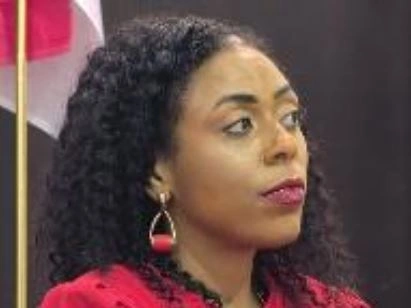
- Christa Stoneham: President and CEO of the Houston Land Bank (HLB). An architect and urban planner by training, she leads HLB’s mission to strategically repurpose more than $100 million in vacant public land to create permanent, affordable housing.
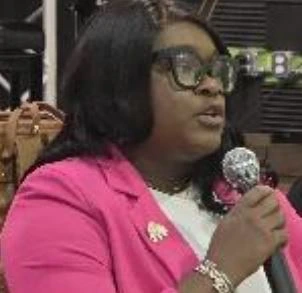
- Ashley Allen: Executive Director of the Houston Community Land Trust (HCLT). Dr. Allen is a passionate advocate for socially just communities, utilizing the Community Land Trust model to secure long-term affordable homeownership and combat gentrification.
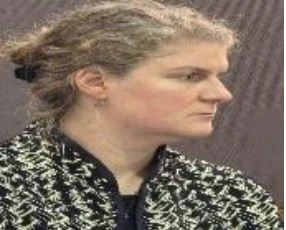
- Anna Rhodes: Associate Professor of Sociology at Rice University. Dr. Rhodes provides the academic foundation for the discussion, with research focusing on the critical link between residential stability, educational outcomes, and social inequality.
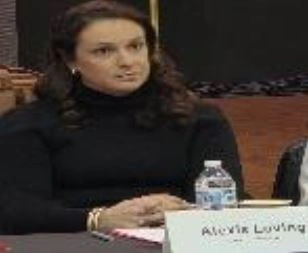
- Alexis Loving: President and CEO of SEARCH Homeless Services. Ms. Loving is a dedicated non-profit leader who oversees SEARCH’s comprehensive approach to providing hope, opportunity, and a pathway out of homelessness for thousands of Houstonians.
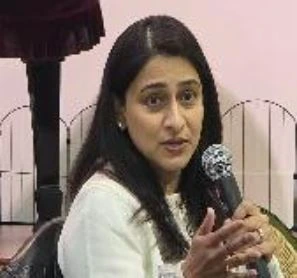
- Aarti Goswami: Assistant Vice President of United Way Greater Houston, Community Outreach – 211. An accomplished clinical and non-profit leader, Ms. Goswami directs the vital 211 Texas/United Way HELPLINE, connecting residents to essential social services, including housing and utility assistance.
The Architects of Affordable Housing
The briefing began with a focus on the foundational elements of affordable housing development, featuring two leaders who are innovating in land stewardship and community-owned assets.
Christa Stoneham, President and CEO of the Houston Land Bank (HLB), presented a compelling case for the strategic use of public land to combat the affordable housing shortage. The HLB’s mission is to “strategically acquire, dispose, and steward vacant, abandoned, and damaged properties into productive use and to address the critical shortage of affordable housing.” Stoneham highlighted the Land Bank’s transformative initiatives, which involve repurposing over $100 million worth of vacant and underutilized government-owned land.
This process is not merely about development; it is a critical mechanism for controlling the cost of land—often the most significant barrier to affordable construction—and ensuring that public assets are leveraged for public good. Her presentation emphasized the necessity of a robust, well-funded land banking strategy as a prerequisite for any large-scale affordable housing success.
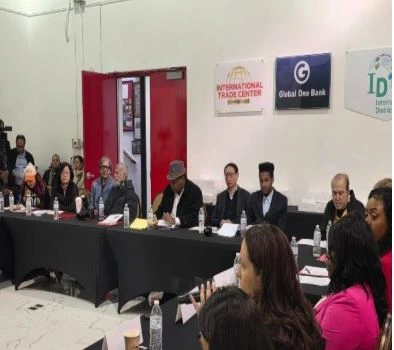
Following this, Ashley Allen, Executive Director of the Houston Community Land Trust (HCLT), introduced an innovative model for permanent affordability. The HCLT’s mission is to “make affordable homeownership achievable and accessible for low-income households in Houston.” The Community Land Trust model is a powerful tool for combating gentrification and economic displacement. By separating the ownership of the land (held by the trust) from the ownership of the home (held by the homeowner), the HCLT ensures that the home remains affordable for subsequent low-income buyers in perpetuity.
Dr. Allen’s insights focused on how this model creates intergenerational wealth for families while securing the long-term affordability of the housing stock, a crucial distinction from temporary subsidy programs. The HCLT represents a sustainable, community-centric approach to building and preserving neighbourhood stability.
Bridging the Gap: From Policy to Practice
The discussion then shifted to the direct human impact of housing policy and the critical services that act as a safety net for the most vulnerable.
Alexis Loving, President and CEO of SEARCH Homeless Services, provided a sobering look at the front lines of the crisis. SEARCH’s mission is centered on “providing hope, creating opportunity, and transforming lives for thousands of men, women, and children who are homeless.” Loving details the organization’s comprehensive approach, which includes outreach, health care, education, and housing stabilization. Her remarks touched upon the sensitive and complex work of humanely decommissioning encampments, emphasizing that the ultimate goal is not displacement but connection to permanent housing solutions. The work of SEARCH underscores the moral imperative of addressing homelessness with dignity and providing the wraparound services necessary for long-term success.
A vital component of the “Staying Housed” part of the equation was presented by Aarti Goswami, Assistant Vice President of United Way Greater Houston, Community Outreach – 211. Goswami’s focus was on the 211 Texas/United Way HELPLINE, a critical resource that connects residents to the help they need.
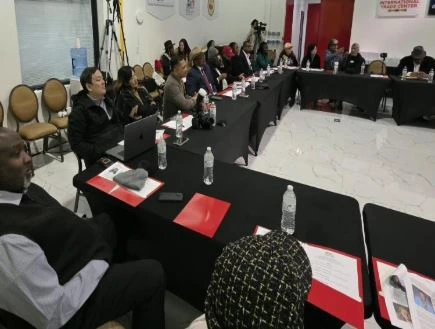
As an accomplished clinical and non-profit leader, Goswami highlighted how 211 serves as the central nervous system for social services in the region, directing individuals to behavioral, mental health, and social services, including crucial housing and utility assistance. Her advocacy for 211 funding is a direct effort to ensure that the safety net remains strong and accessible, particularly for low-income families who often struggle to navigate the complex web of available aid.
The Academic Lens: Understanding the Systemic Roots
Providing the necessary academic rigor to the discussion was Anna Rhodes, Associate Professor of Sociology at Rice University. Dr. Rhodes’ research, which combines urban sociology, the sociology of education, and environmental sociology, investigates the profound link between residential decision-making and long-term social outcomes.
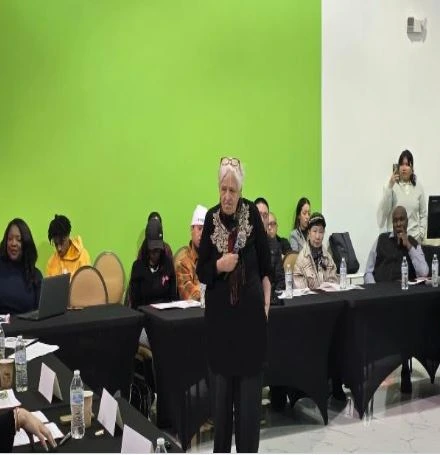
Her work on the dynamic relationship between residential and educational inequality offers a crucial understanding of the systemic roots of the housing crisis. Specifically, her research examines the impact of housing subsidies on childhood education, demonstrating that family life has a direct and measurable effect on a child’s educational trajectory and future economic mobility. This academic perspective validates the efforts of the Land Bank and Community Land Trust by proving that housing is not just shelter, but a fundamental determinant of life chances.
Synthesis of Solutions
The “Getting Housed, Staying Housed” briefing served as a powerful synthesis of the problem and the solutions. The key takeaway is that no single entity can solve the housing crisis. Instead, a coordinated, multi-sector strategy is essential, with each speaker representing a critical component of the solution. Christa Stoneham of the Houston Land Bank focuses on the public/non-profit sector by driving land acquisition and revitalization for affordable development.
Ashley Allen of the Houston Community Land Trust represents the non-profit sector with her work on permanent affordability through the Community Land Trust model. Anna Rhodes from Rice University provides the academic perspective, linking housing, education, and inequality through rigorous research. Alexis Loving of SEARCH Homeless Services focuses on direct services and outreach for the homeless, providing housing stabilization. Finally, Aarti Goswami of United Way Greater Houston, 211, ensures resource connection by linking residents to vital assistance.
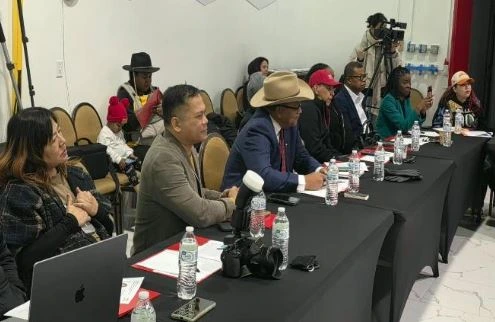
For the Pakistani and broader South Asian community in Houston, the information shared at this briefing is particularly relevant. Many immigrant families, despite their hard work, face significant barriers to achieving homeownership and navigating the social service landscape. The models presented by the Houston Land Bank and the Community Land Trust offer pathways to stable, affordable homeownership that can build intergenerational wealth, a goal highly valued within these communities. Furthermore, the accessibility of the 211 HELPLINES, championed by Ms. Goswami, is a vital tool for new immigrants and limited-income families seeking assistance with everything from rent and utilities to mental health support.
The commitment of Houston Community Media, under the guidance of Sandy Close, to host such a detailed and action-oriented discussion is commendable. It provides a necessary platform for accountability and education, ensuring that the complex work of housing security is transparent and accessible to all segments of the Houston populace. The solutions discussed—from innovative land stewardship to academic validation of housing’s social impact—offer a blueprint for other major metropolitan areas grappling with similar challenges. The path to a housed and stable Houston is long, but the collaborative efforts of these leaders provide a clear, evidence-based direction forward.
Conclusion
The “Getting Housed, Staying Housed in Houston” briefing was more than just a discussion; it was a powerful demonstration of the city’s commitment to a coordinated, multi-sector response to its housing crisis. The combined expertise of the panellists—from the strategic land use of the Houston Land Bank and the permanent affordability model of the Community Land Trust, to the critical research of Rice University, the direct intervention of SEARCH Homeless Services, and the resource connection of United Way 211—underscores a fundamental truth: housing security is a complex challenge that demands a complex, collaborative solution. For the Pakistani and broader South Asian community, the models presented offer tangible pathways to stability and wealth creation, while the visibility of leaders like Aarti Goswami reinforces the accessibility of the social safety net. The briefing serves as a crucial call to action for policymakers, community leaders, and residents alike to support these vital initiatives and ensure that the right to a stable home is a reality for every Houstonian.
For more reading please visit our Articles.